 English


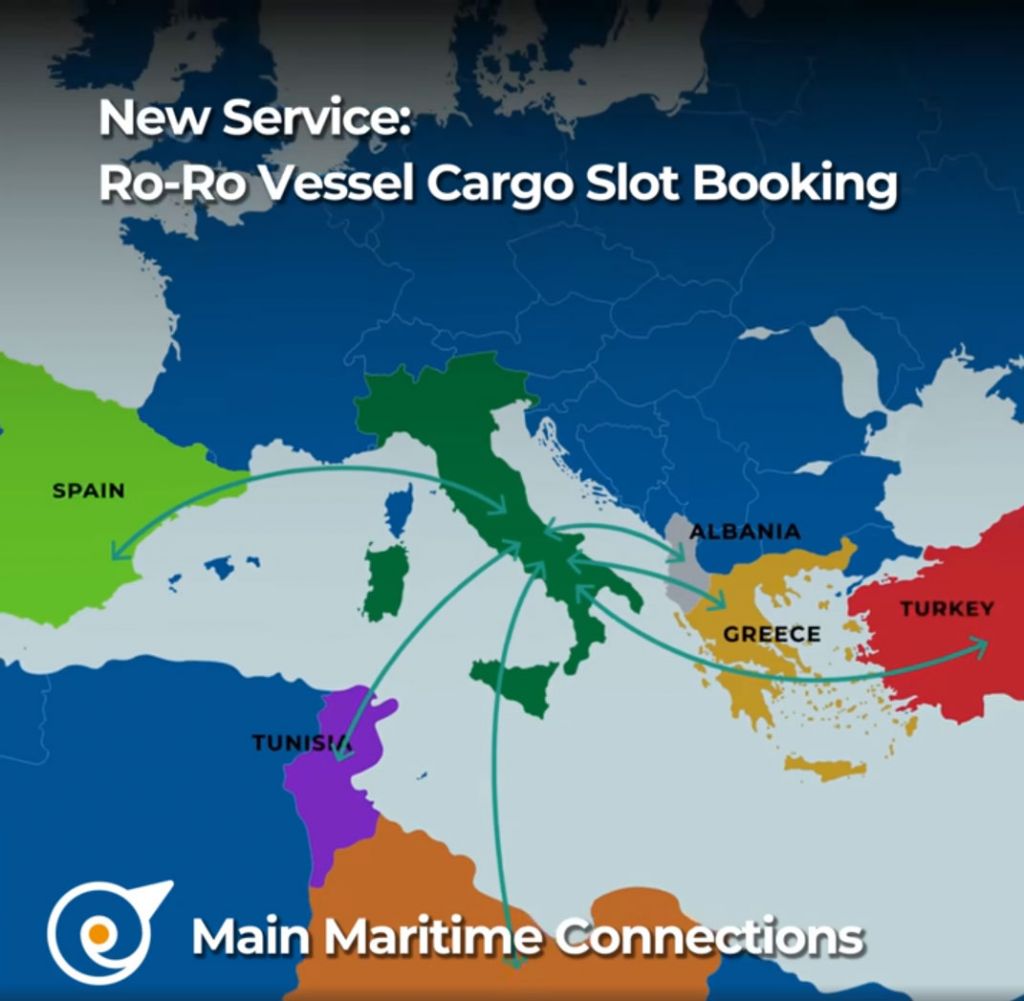
Ro-Ro transport is a maritime shipping system that allows goods to be loaded and unloaded via mobile ramps, eliminating the need for cranes or specialised equipment. This solution offers an efficient alternative to the traditional road-only transport model. With increasing infrastructure congestion, rising operating costs, and ever stricter emissions regulations, the sector now requires a clear shift in approach.
By strengthening this service, Stante Logistics is addressing the evolving challenges of supply chain management, focusing on greater efficiency and environmental sustainability.
Adopting the Ro-Ro (Roll-on/Roll-off) model makes every stage of the distribution chain more efficient, reducing both operational time and costs. Compared to the Lift-on/Lift-off (Lo-Lo) system, this method not only eliminates vertical handling via cranes, but also introduces a loading logic based on linear metres (LM), enabling a fundamentally different approach to space management.
What are the stages of Ro-Ro transport
Multimodal Ro-Ro (Roll-on/Roll-off) transport stands out for its operational fluidity, optimising both safety and efficiency in cargo handling. The entire process is based on the concept of “rolling”.
Main stages
Road transport
Goods are loaded onto a standard semi-trailer at the supplier’s warehouse, where safety checks and load planning are carried out. A road tractor unit then transfers the trailer to the departure port terminal, accompanied by all required documentation.
Arrival at the terminal and check-in
Once at the port, the vehicle completes the check-in process. At this stage, a key distinction is made:
- Accompanied: The entire articulated vehicle (tractor unit + semi-trailer + driver) boards the vessel.
- Unaccompanied: Only the semi-trailer is left at the port. A terminal tractor (yard truck) handles loading, optimising labour costs and allowing drivers to comply with rest requirements.
Loading operations
Using mobile ramps, the cargo is positioned and secured with appropriate systems such as chains or straps.
Sea transit (Transit time)
This phase is central to the model’s sustainability: transporting hundreds of semi-trailers by sea leads to a significant reduction in CO2 emissions compared to fully road-based transport.
Unloading operations
Upon arrival at the destination port, operations are carried out in reverse order. After any required customs checks, the load continues its journey to the final destination via road transport (last mile).
Sustainable Logistics
In an increasingly demanding global market, environmental sustainability is no longer optional, it is a business requirement. While road transport remains one of the main sources of emissions in the logistics sector, the Ro-Ro model stands out as a solution capable of significantly reducing them. For Stante Logistics, investing in sustainable logistics goes beyond ethics: it is a strategic asset that delivers tangible competitive and economic advantages.